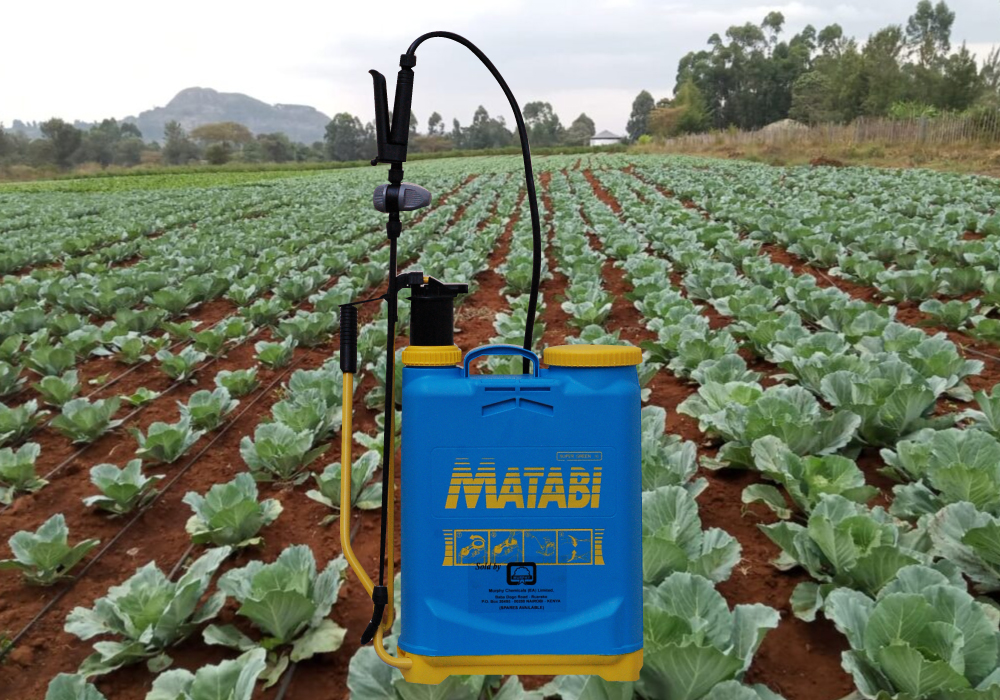
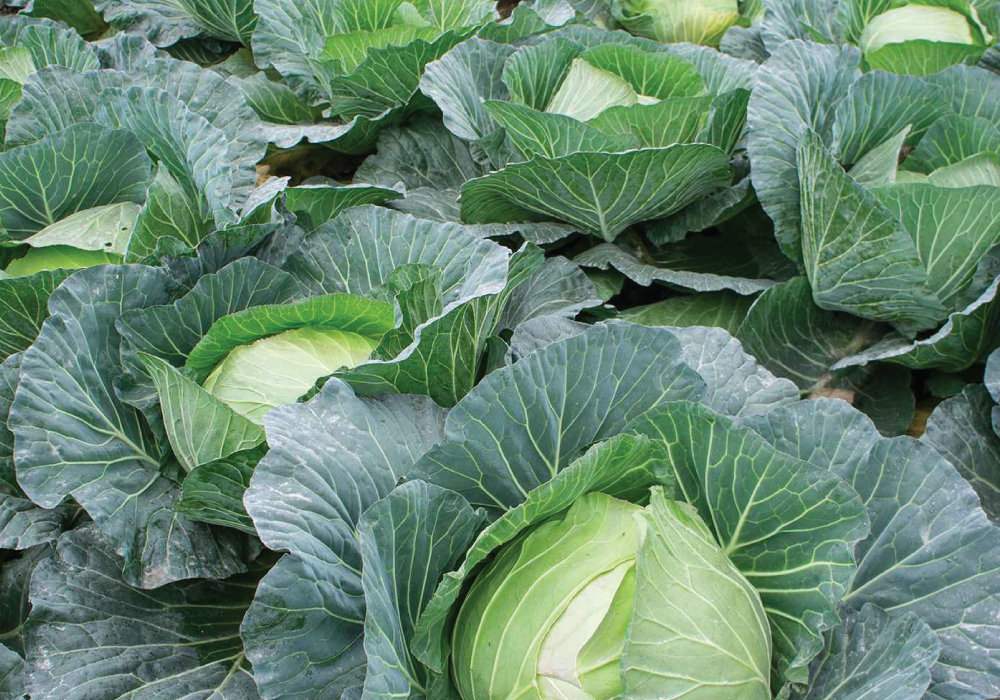
Cabbage (*Brassica oleracea var. capitata*) is a highly profitable and widely cultivated cool-season crop in Kenya, thriving in regions like Nyandarua, Kiambu, Kirinyaga, Nakuru, and Trans Nzoia. Successful farming requires careful stage-specific management, including the judicious use of quality agrochemicals. Murphy Chemicals Kenya, a leading supplier, offers a range of products tailored for each growth stage.
Stages of Cabbage Growth & Recommended Murphy Chemicals Products
1. Nursery Establishment & Seedling Stage (Weeks 1-4)
- Objective: Raise healthy, vigorous, and pest-free seedlings.
- Key Practices: Use sterile seedling mix; ensure fine tilth; moderate watering.
- Challenges: Damping-off diseases, aphids, cutworms, flea beetles.
- Murphy Chemicals Recommendations:
-
- Soil Sterilization/Preparation: Murphy Avisa® 500SC (Chlorpyrifos ethyl). A soil insecticide applied to the nursery bed to control soil-borne pests like cutworms and aphids before they attack young seedlings.
- Disease Prevention:Murphy Milthion Super 69EW (Propineb + Cymoxanil)**. A fungicide used as a preventative spray against damping-off fungi.
- Nutrient Boost: Murphy Biozone Rooter®. A plant growth regulator and biostimulant that promotes strong root development, enhancing seedling vigor and transplant survival rate.
-
2. Land Preparation & Transplanting (Week 4-5)
Objective: Create a fertile, weed-free field and ensure successful seedling transplant.
Key Practices: Deep ploughing, manure incorporation, raising beds, hardening off seedlings.
Challenges: Persistent weeds, soil-borne pests.
Murphy Chemicals Recommendations:
Pre-Emergent Herbicide: Murphy Codex 860EW (Propaquizafop). A selective herbicide used after transplanting to control annual grasses and broadleaf weeds before they establish, reducing early competition.
Transplant Shock Management: Murphy Biozone Rooter® can be applied as a drench after transplanting to reduce shock and accelerate root establishment in the new bed.
3. Vegetative Growth Stage (Weeks 5-9)
Objective: Promote rapid development of healthy leaves and a strong frame.
Key Practices: Top-dressing with Nitrogen-rich fertilizers (CAN), consistent irrigation, earthing up.
Challenges: Leaf-eating pests (Diamondback moth, aphids, whiteflies), foliar diseases (Downy mildew, Black rot), nutrient deficiencies.
Murphy Chemicals Recommendations:
Pest Control (Lepidoptera & Sucking Pests):
Murphy Escort 19EC (Emamectin Benzoate). Highly effective against the destructive Diamondback Moth larvae.
Murphy Agora 247SC (Acetamiprid + Chlorantraniliprole). A dual-mode insecticide for controlling a broad spectrum of pests including aphids, whiteflies, and leaf miners.
Disease Control: Murphy Milthion Super 69EW or Triziman 690WP (Propineb + Cymoxanil). Continued use as a preventative and curative spray against downy mildew and other fungal diseases.
Foliar Feed: Murphy Biozone Flower® or Folixol®. Although branded for flowering, these balanced foliar feeds provide essential micronutrients (Boron, Zinc, Molybdenum) crucial for leaf development and overall plant health during rapid growth.
4. Head Formation & Development (Weeks 10-14)
Objective: Support the formation of a dense, firm, and heavy head.
Key Practices: Increased Potassium top-dressing (SOP), careful irrigation to prevent head splitting.
Challenges: Head rot, aphids hiding in heads, continued pest pressure, boron deficiency causing hollow stem.
Murphy Chemicals Recommendations:
Pest Control (Systemic Action): Murphy Agora 247SC. Its systemic activity helps control pests that have started to infest the inner leaves.
Disease Control (Head Rot): Murphyilthion Super 69EW. Critical at this stage to protect the forming head from fungal infections that can ruin the marketable product.
Micronutrient Supplement: Murphy Biozone Flower®. The boron content is vital for proper head firmness and to prevent hollow stem disorder.
5. Maturity & Pre-Harvest (Week 14-16)
Objective: Ensure heads are market-ready, protect quality, and observe pre-harvest intervals (PHI).
Key Practices: Stop pesticide application based on PHI, reduce irrigation, schedule harvest.
Challenges: Last-minute pest damage, residue management for market standards.
Murphy Chemicals Recommendations:
Soft Insecticide (if necessary): Murphy Pyripops 440EC (Pyriproxyfen + Acetamiprid). An insect growth regulator with a relatively shorter PHI, suitable for late-season control of sucking pests if needed, but must be applied strictly following the PHI on the label.
The focus shifts to strict adherence to PHI. All chemical applications must cease according to the specific product’s label instructions (usually 7-14 days before harvest) to ensure food safety.
Critical Considerations for Kenyan Farmers
1. Integrated Pest Management (IPM): Agrochemicals are a tool, not the sole strategy. Combine with crop rotation, use of pheromone traps, intercropping, and biological controls.
2. Label is Law: Always read and follow the product label instructions for dosage, safety intervals, and protective equipment (PPE).
3. Soil Testing: Base fertilizer and soil amendment decisions on soil test results for optimal yield and cost-effectiveness.
4. Procurement: Purchase Murphy Chemicals products from **licensed agrovets** to avoid counterfeits. Consult with Murphy field representatives or certified agronomists for specific field prescriptions.
5. Record Keeping: Maintain a spray diary to track products used, dates, and rates for quality traceability.
By following this stage-specific guide and utilizing effective, reliable products from Murphy Chemicals Kenya within a sound agronomic framework, Kenyan cabbage farmers can significantly increase their yields, produce high-quality heads for the market, and maximize their profitability.